

You have been dreaming about Hawaii. Maybe you have been scrolling through photos of Kauai's emerald cliffs, imagining the scent of plumeria on a warm Maui evening, or picturing lava meeting the ocean on the Big Island. The excitement is real—and so is the question that keeps coming up as you try to turn that dream into a plan: should you take a cruise or plan a land-based vacation?
Table of Contents
- Why Choosing Between a Cruise and a Land Vacation in Hawaii Is Harder Than You Think
- How a Hawaii Cruise Works (and Which Ships Sail There)
- What a Land-Based Hawaii Vacation Looks Like
- Hawaii Cruise vs Land Vacation: A Side-by-Side Comparison
- Which Traveler Personality Fits Each Option?
- The Third Option: Combining a Hawaii Cruise with a Land Stay
- Respectful Travel in Hawaii: What Every Visitor Should Know
- How to Make Your Decision
- Final Thoughts: Choosing What Matters Most to You
That is the classic Hawaii cruise vs. land vacation dilemma, and it's trickier than most people expect. Travelers' needs vary: what delights a couple celebrating an anniversary may not suit a family with teenagers, and the solo hiker who wants to explore every trail on Kauai needs something different from a first-time visitor who wants to sample as much as possible without stress.
This guide walks through the honest pros and cons of each approach, side by side, so you can decide which one matches the way you like to travel. There is no single right answer, but by the end you should have a clearer sense of which path feels like yours.
Why Choosing Between a Cruise and a Land Vacation in Hawaii Is Harder Than You Think
Hawaii is not one place; it is a chain of islands, each with a distinct personality. Oahu hums with energy, history, and the buzz of Honolulu. Maui offers romance, golden beaches, and a coastline drive many travelers remember. Kauai feels wild and ancient, where nature still writes the rules. The Big Island resists easy description: black sand beaches, alpine summits, active volcanic areas, and wide-open ranchland can all be part of a single island visit.
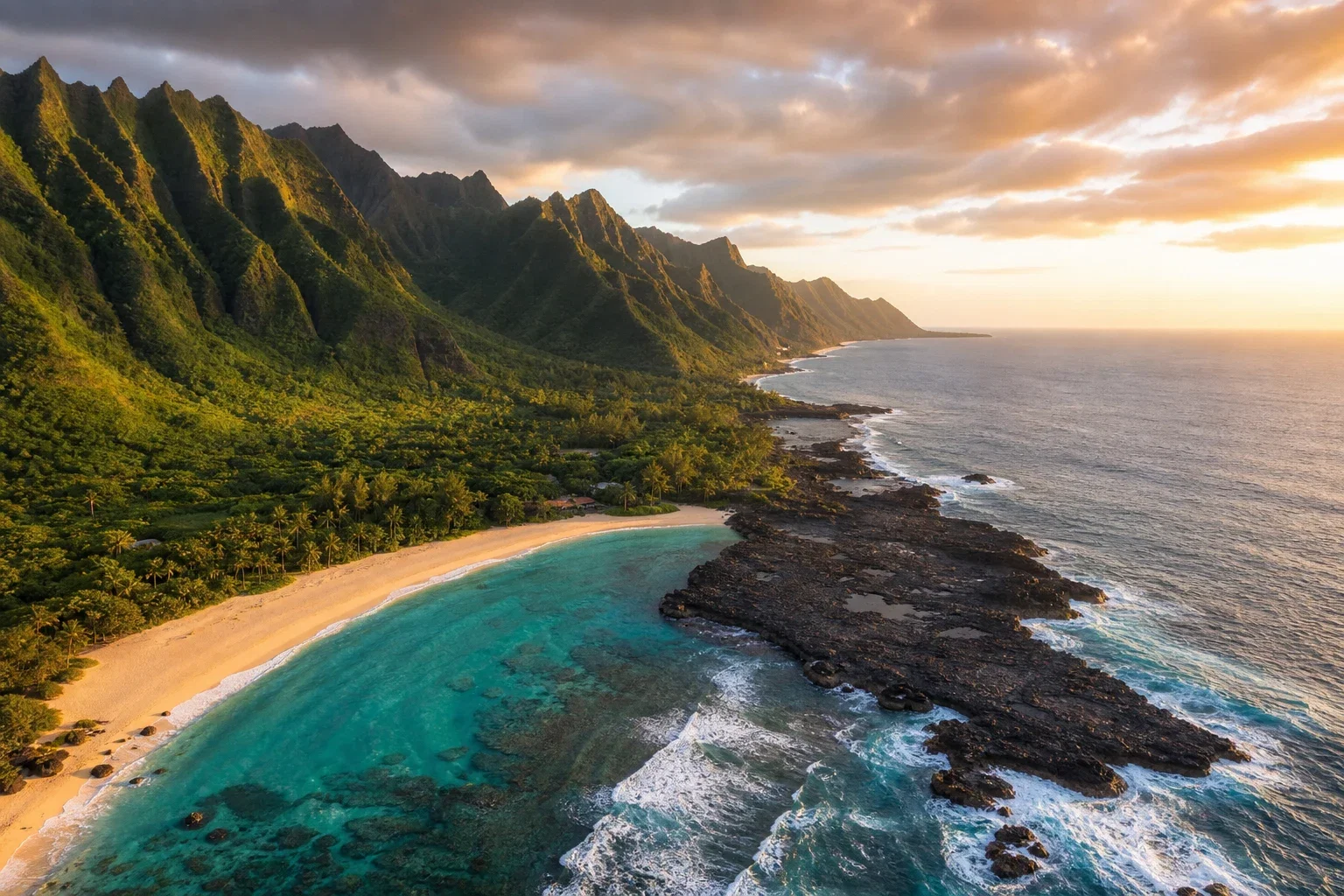
When travelers realize how different the islands are, many feel pressure to see as many as possible. That’s where the cruise vs. land debate begins. A cruise makes island-hopping easy without repacking or airport hassle. A land vacation lets you settle in, slow down, and develop a relationship with a single place. Neither is better on principle—the right choice depends on your travel personality, how much time you have, and how much logistics you want to manage.
It’s common to assume that staying on land is the only “authentic” way to experience Hawaii. Cruises, however, offer advantages worth considering—especially if you want to sample several islands and see which one calls you back for a longer visit. Think of this comparison as a way to discover what you value most about your time away.
How a Hawaii Cruise Works (and Which Ships Sail There)
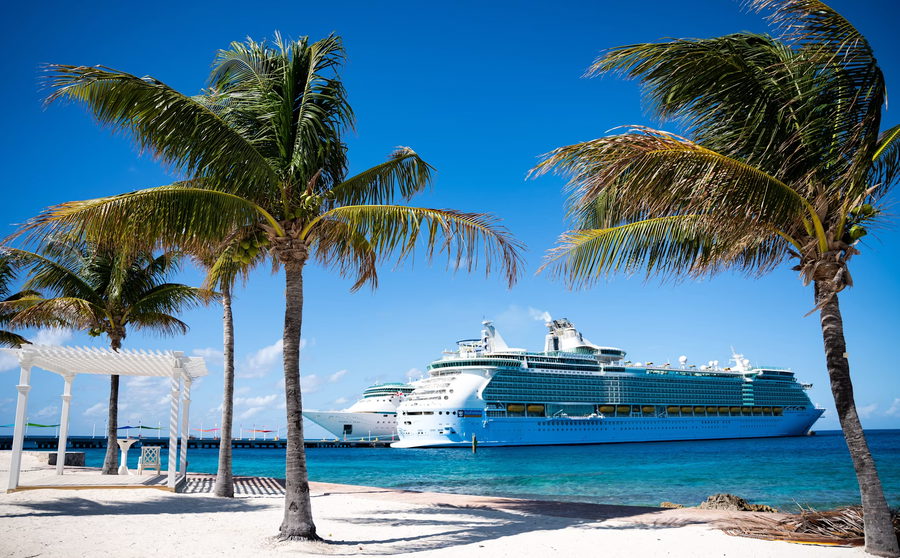
Most inter-island cruise itineraries visit several of the main islands and typically run for about a week or longer, with week-long routes being common. You usually board in Honolulu and wake up at a new island or port on most mornings. The ship takes care of movement between destinations while you sleep, eat, or enjoy onboard activities.
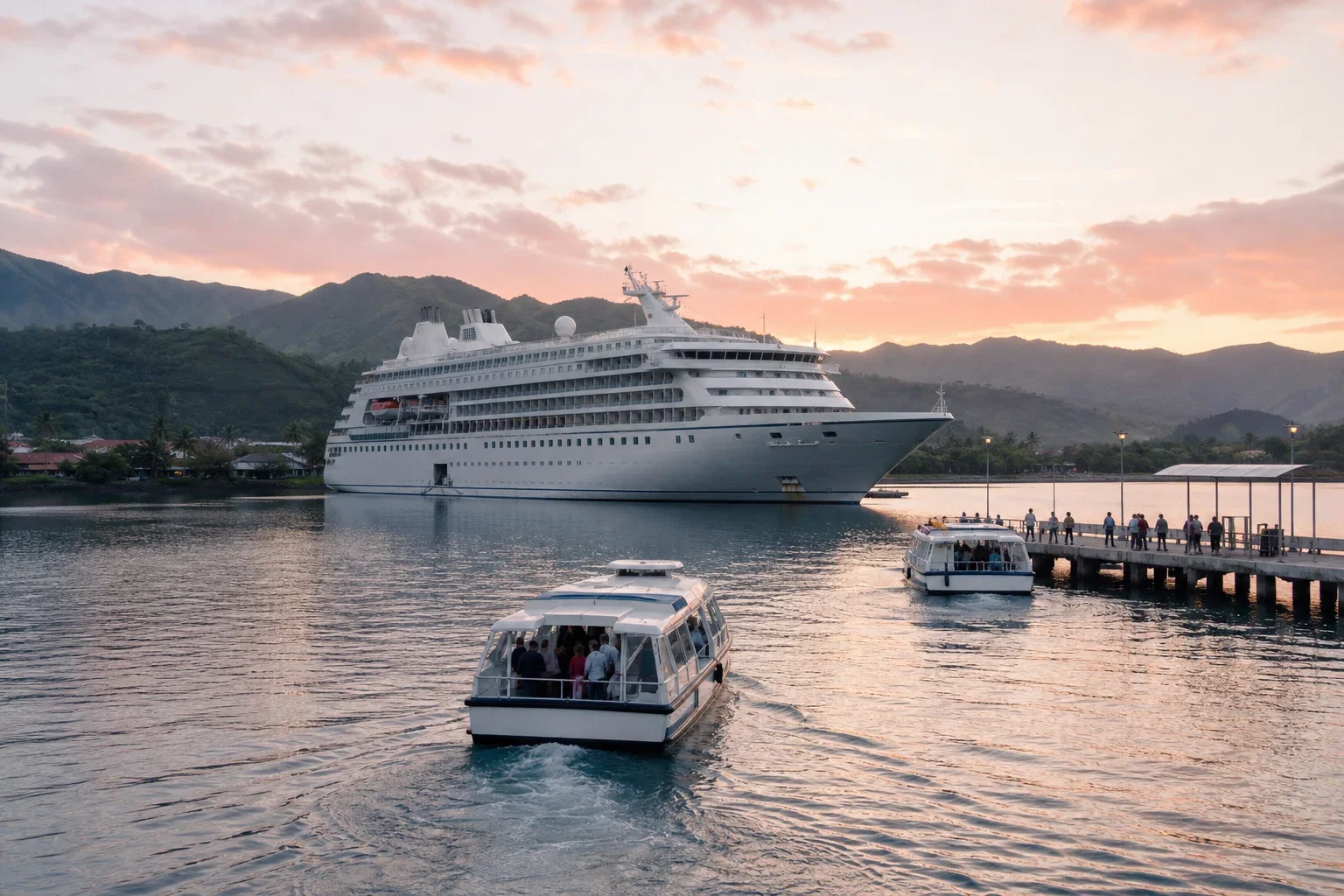
One noteworthy point: a U.S.-flagged vessel operates year-round inter-island sailings, which can simplify travel documentation for U.S. residents who prefer domestic itineraries. Other cruise lines include Hawaii as part of longer voyages that begin on the U.S. West Coast; those repositioning sailings include multiple days at sea before and after the islands, which suits travelers who enjoy extended days on the ocean but reduces the time spent ashore.
Port times vary by itinerary. Some stops give you most of a day ashore—enough time for a substantial excursion, a beach afternoon, and a relaxed meal—while others provide only a few hours, which requires tighter planning. Cruises bundle accommodations, many meals, onboard entertainment, and island-to-island transportation into a single booking, which can simplify logistics and budgeting.
One practical consideration I encourage travelers to think about: if you prefer days at sea and the rhythm of shipboard life, a repositioning cruise can be a wonderful, relaxed way to arrive in Hawaii. If your priority is many uninterrupted hours ashore, look closely at itineraries and port schedules before you book.
What a Land-Based Hawaii Vacation Looks Like
A land vacation means choosing one or two islands and using a hotel, resort, or vacation rental as your base. You fly into your chosen island, settle in, and explore from a single home. Visiting a second island requires booking an inter-island flight and arranging ground transportation there as well.
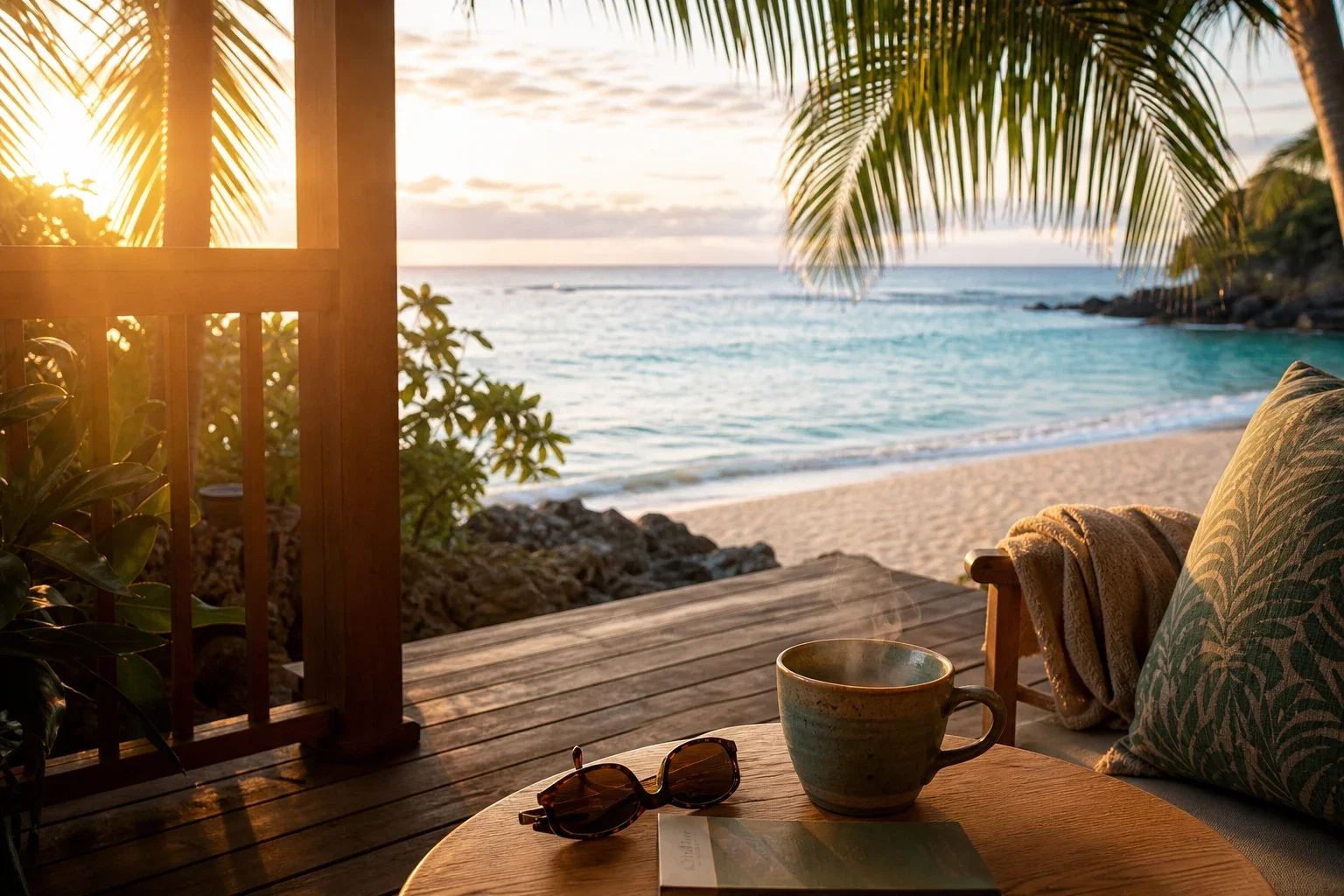
The freedom of a land stay is its greatest gift. There is no ship schedule, no “all aboard” deadline, and no set dining rotation unless you choose one. You can linger over coffee on your lanai, decide to turn a beach morning into a hiking afternoon, or stay late for sunset at a favorite overlook.
Accommodations cover the full spectrum, from intimate boutique hotels to large resorts with multiple pools, spas, and golf. Dining options range from casual food trucks and farmers’ markets to fine dining—but meals add up quickly. For travelers who prioritize culinary discovery and authentic local eateries, a land vacation gives the widest range of choices and the chance to follow local recommendations in town.
Land vacations also offer deeper immersion. You can hike a trail until sunset without watching the clock, spend an entire day at one beach, or explore a small town at your own unhurried pace. That kind of connection takes time, and staying on land gives you that time.
From a planning perspective, one thing to keep in mind is that a land stay asks you to manage more moving parts: inter-island flights, rental cars, restaurant reservations, and daily decisions that a cruise may handle for you. For travelers who enjoy planning and the freedom to change plans on the fly, this tradeoff is often worthwhile.
Hawaii Cruise vs Land Vacation: A Side-by-Side Comparison
Island Access: Sampling vs. Settling In
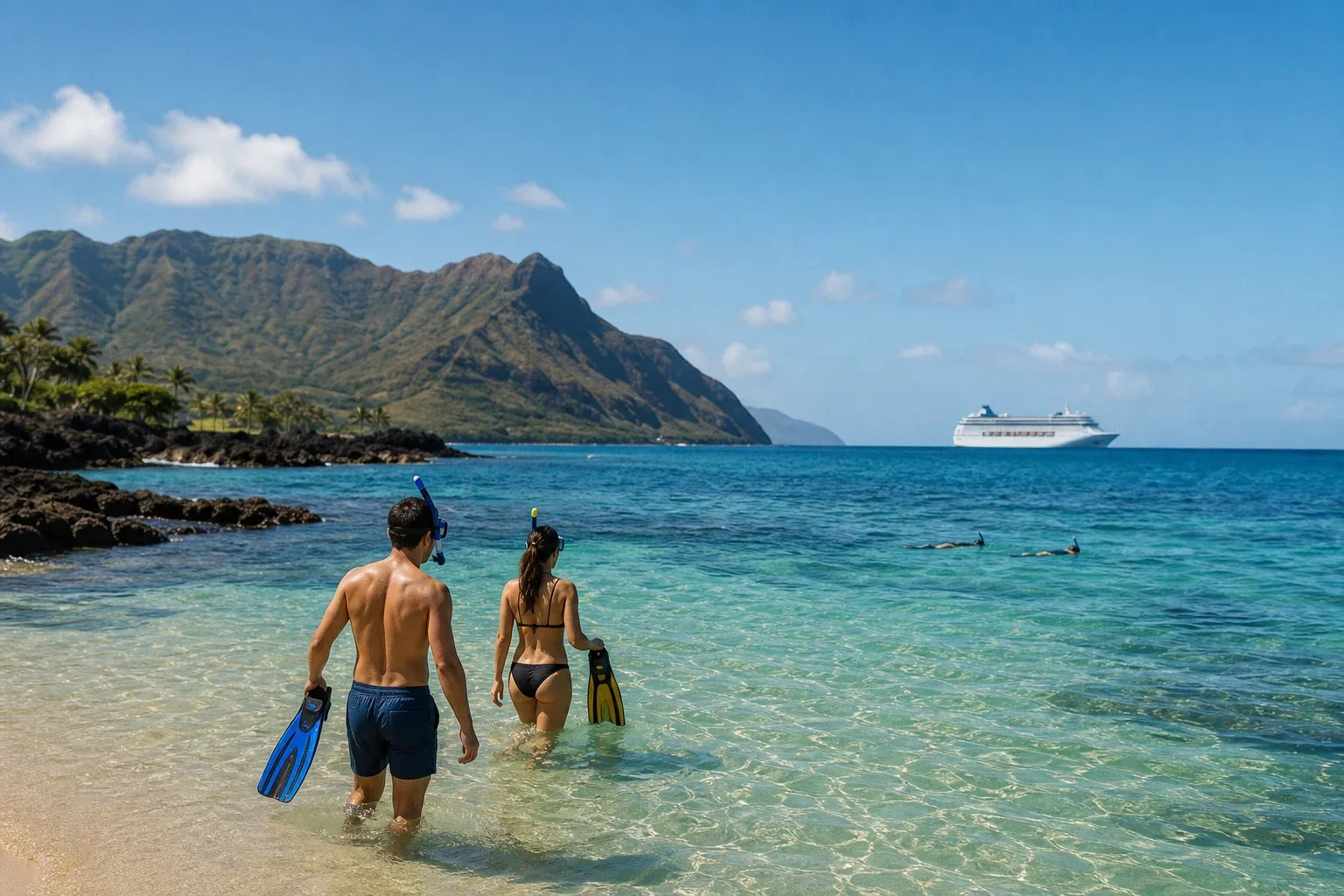
A cruise lets you visit multiple islands without repeated packing, airport lines, or the hassle of multiple flights. You can sample Oahu, Maui, Kauai, and the Big Island in a single trip, which helps you decide where you might want to return for a deeper land stay.
Staying on land usually means limiting yourself to one or two islands unless you're willing to add inter-island flights and hotel changes. The reward for staying put is depth: you learn back roads, discover quieter beaches, and settle into the local rhythm.
Cruise port days are generally long enough for highlights—snorkeling trips, guided tours, or a beach afternoon—but not for truly deep exploration. If your aim is to try on each island and see which resonates most, a cruise is efficient. If you want to truly get to know a single place, a land vacation wins.
Accommodations: Your Home Base at Sea vs. on Land
Cabins on ships tend to be compact but smartly arranged. Unpack once on embarkation day and your floating hotel moves with you. There’s a particular pleasure in falling asleep in one harbor and waking up somewhere new.
On land, resorts and vacation rentals typically offer more space, private lanais, and amenities ships can’t match: expansive pool complexes, full-service spas, golf, and rooms where you can really spread out.
Consider what feels restorative: the thrill of a changing view each morning, or the comfort of returning to the same room and staff each night. That preference often determines which option feels right.
Dining: Included Meals vs. Island Exploration
Many cruises include most onboard meals—buffets, main dining rooms, and casual venues—so you don’t have to decide where to eat each night. That can be a huge convenience for travelers who prefer not to plan every meal.
On land, you control every restaurant choice and encounter a wider range of local food—from market poke and roadside plate lunches to acclaimed restaurants. That variety is rewarding for food-focused travelers, but dining costs can accumulate faster than expected.
An advisor note: the better question is which option includes more of what you will actually use. If you value spontaneous visits to local markets and late-night food-tasting trips, a land stay likely delivers more culinary satisfaction. If convenience and predictability matter most, the ship’s dining can be liberating.
Transportation and Logistics: Stress vs. Freedom
A cruise removes many transportation decisions. Board once, and island-to-island travel is handled by the ship—no researching inter-island flights or worrying about car availability on arrival.
On land, you'll arrange flights between islands when you change them, rent cars or use local transport, and navigate traffic and parking, which can be a factor on busier islands.
Many ports offer shuttles or nearby rental options for day use, which gives cruisers the flexibility to explore independently without committing to a week-long car rental. For travelers who prefer hands-off logistics, that set-up can be especially appealing.
Beach Time and Sightseeing: Depth vs. Breadth
Cruise port days tend to be full. With only part of a day ashore, you’ll be choosing between a beach afternoon, a shore excursion, or a short guided tour. You can have an unforgettable beach day—but you'll be mindful of the ship’s departure time.
Land travelers enjoy lazy mornings, long afternoons, and spontaneous detours without a departure clock. If your ideal vacation includes lingering on the same stretch of sand for multiple days, staying on land allows that pace.
Organized shore excursions are a strength of cruises: they solve logistics and offer guided experiences without much planning. But if you want to spend long, unhurried days discovering off-the-beaten-path spots, a land stay better supports that style.
Cost: Which Option Is Easier on Your Wallet?
Cruises can be cost-efficient for island-hopping because they bundle lodging, many meals, and inter-island transport into one booking. Land travel gives you more direct control over day-to-day spending, but adding inter-island flights, rental cars, and separate accommodations can increase the total cost of seeing multiple islands.
Both choices carry added expenses: shore excursions and onboard extras for cruisers; meals, activities, and car-related costs for land travelers. The most important budgeting step is to list the extras you think you’ll want and compare the likely out-of-pocket items for each approach rather than relying on headline prices alone.
In other words, look beyond the advertised fare: the better comparison is which option includes more of what you will actually use.
Packing and Preparation: One-and-Done vs. Island-by-Island
On a cruise you typically unpack once and live out of the same bag for the duration. That simplicity is a real appeal for many travelers.
Multiple-island land trips often require repacking for inter-island flights and managing luggage between hotels. It’s manageable, but it adds friction to your days.
Cruises also come with occasional dress-code considerations and a mix of shore- and ship-appropriate clothing. Land trips let you pack for a single rhythm of days. If you dislike frequent transitions, unpack-once travel is a clear advantage.
Which Traveler Personality Fits Each Option?
The Island Sampler wants to see several islands in one trip. A cruise is the most efficient way to do that and helps you discover which place might deserve a return visit.
The Slow Explorer prefers to wake up in the same place, linger over coffee, and discover an island deeply. A land vacation suits this traveler perfectly.
The Resort Lover wants poolside service, spa days, and rarely leaving the property. A luxury land resort will likely feel like the destination itself.
The Convenience Seeker doesn't want to research flights, car rentals, or daily reservations. A cruise handles much of the logistics and keeps plans simple.
The First-Time Visitor who isn’t sure which island they’ll love most may appreciate sampling a few on a cruise before committing to a future, longer land stay.
The Family Traveler managing kids or multi-generational groups will appreciate that cruises provide built-in activities for many ages, from youth programs to evening entertainment; land vacations can work just as well but typically require more coordination.
One observation I share with travelers weighing their options: think about how you want to spend your energy on vacation. Do you want to trade daily planning for convenience, or are you energized by the freedom to shape each day on the fly? Your answer usually points clearly to one choice.
The Third Option: Combining a Hawaii Cruise with a Land Stay
You don’t have to choose exclusively. A short land stay before or after a cruise blends the best of both approaches. Many travelers arrive early in Honolulu to explore Waikiki, visit historical sites, and do a short hike before boarding. Others spend a few nights on an island they sampled during the cruise to deepen the experience.

This hybrid plan gives you an island sampler by sea plus the depth of a land stay. It requires more time overall but can be a very satisfying way to balance breadth and depth in a single trip.
One practical tip: if you consider a hybrid itinerary, build in a buffer day for travel and flexibility—this reduces stress and gives you breathing room if flights or schedules shift.
Respectful Travel in Hawaii: What Every Visitor Should Know
Hawaii is a place of living culture, deep traditions, and communities that welcome visitors. Traveling with awareness and humility makes a meaningful difference to your experience and to the places you visit.
Learn a few Hawaiian words before you go. Mahalo means thank you. Aloha is used for hello and goodbye and speaks to a spirit of mutual respect. Malama means to care for; you’ll often see it on signs encouraging visitors to protect the land and ocean. Using these words thoughtfully shows respect, and locals notice the effort.
Follow local rules at beaches, parks, and natural areas. Don’t step on coral—it's a living, fragile organism. Don’t remove sand, shells, or rocks as souvenirs: this is discouraged and is illegal in some places. Stay on marked trails to protect both the environment and your own safety.
Support local businesses whenever possible: eat at locally owned restaurants, buy from Hawaiian artisans, and book tours with local guides who can share authentic perspectives on history and culture. Be mindful of environmental impact—use reef-safe sunscreen where required, minimize single-use plastics, and leave places as you found them.
Approach every experience with gratitude. Hawaii’s beauty is a privilege to witness, not a right, and a respectful attitude helps preserve it for future visitors and for the communities that call the islands home.
How to Make Your Decision
Start with the time you have. If your trip is about a week, both a single-island land stay and a week-long cruise can work well. With more time, multi-island land plans or a cruise-plus-land combination become realistic.
Consider your travel style honestly. Do you prefer structured itineraries or spontaneous exploration? Do you enjoy planning every detail, or would you rather hand off logistics and focus on experiences? There’s no virtue in either approach—only which one helps you relax and enjoy your trip.
Be clear about your budget expectations. Cruises often provide more predictable upfront costs, while land travel offers day-to-day control that can be cheaper or more expensive depending on choices. Think about who you’re traveling with: a cruise can simplify group travel by keeping everyone together, while a land stay may offer more privacy and flexibility for couples or slow explorers.
Remember there’s no wrong answer—only the one that fits the way you want your days to feel. Many travelers try one approach first and later return to try the other. Hawaii will be there, ready to welcome you however you choose to arrive.
Final Thoughts: Choosing What Matters Most to You
A Hawaii cruise and a land vacation are fundamentally different experiences; neither is universally superior. Your priorities—convenience or freedom, breadth or depth, inclusive ease or à la carte independence—should guide the choice. What matters most is that you go and that your trip reflects what you value.
If you’re still unsure, that’s normal. Talking through priorities—how much time you have, how much planning you want to do, and the type of days you want—usually clarifies the decision. When you’re ready to plan, I’m happy to help you weigh the options and design a trip that fits how you like to travel, whether that’s sampling several islands by sea, diving deep on land, or doing both in one journey.

 Featured Travel